

Retail audits
Retail audits and market tracking, from the shelf up
Send your team into the market with an audit built for your brief. Each visit records the numbers you set, such as facings, price on shelf or units in stock, with photos and a location check, and every outlet rolls up into one view.
Sound familiar?
Audit forms that never get read
Paper or spreadsheet audits get filled in, filed, and never turned into a picture of the market you can act on.
The same outlet, three different names
When outlets are typed in by hand, one shop ends up recorded three ways and nothing adds up across visits.
No proof the audit happened
A completed form says nothing about whether the auditor was in the shop or filled it in later from memory.
How eNsight handles it
One record per visit, from the outlet to the client
Audits built around your brief
You set what each visit records, so the audit measures what this campaign is about rather than a fixed form.
Outlets picked from your list
Auditors choose the outlet from a list you set up, so one outlet can't end up recorded three different ways.
Location and time on every visit
Check-in compares where the phone is with where the outlet is, and the time comes from the phone the second they hit send.
Shelf photos as evidence
Photos are saved on the same visit as the numbers, so every figure has a picture behind it.
Stock levels over time
Counts per SKU at each visit turn into rate of sale, days of cover and the date each line is likely to run out.
Approve or flag
A visit that doesn't look right can be flagged, and a flagged visit leaves every count, so your market picture stays clean.
₦27,000
Maltina sells 9 a day at ₦1,000. Three days at zero is 9 × 3 × ₦1,000 of sales that just don't happen.
Stock & merchandising
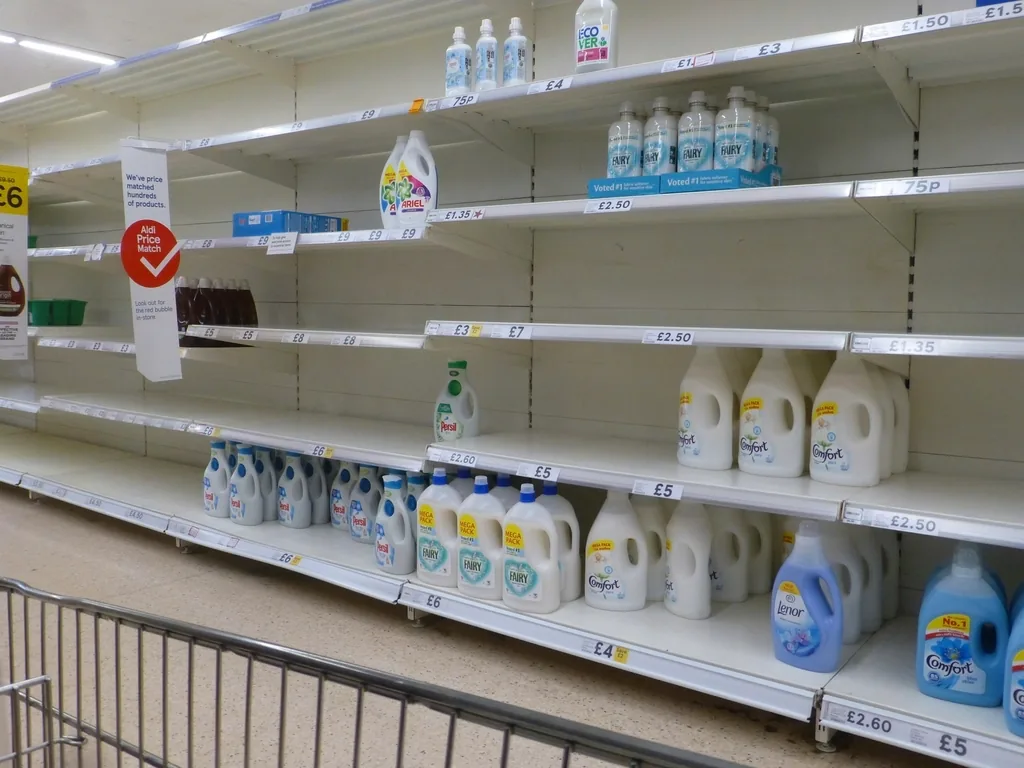
Never be the last to know a shelf is empty
Your wingman watches every line in every outlet and tells you what runs out next, and what the empty facings already cost. When something hits its reorder point it raises the restock itself.
- Days of stock left
- Roughly how many more days the stock on hand will last at the current rate of sale.Units on hand ÷ average daily sales.
- Average daily sales
- How fast an item sells, in units per day.Averaged across the gaps between counts. A count that goes up is a restock, so it's ignored rather than treated as negative sales.
- Expected to run out
- The date an item is projected to run out, estimated from its stock history.An early warning rather than a promise. A sudden change in demand moves it.
- Reorder threshold
- The count at which an item is due for reordering.Falling to or below it raises a restock task and alerts whoever manages that outlet.
Every calculated figure carries this same explanation inside the product. A number nobody can check is a number nobody acts on.
Questions
What is a retail audit app?
It's an app field auditors use to record what they find in each shop, such as stock, facings, prices and photos, and that managers use to see the results across every outlet at once.
What can an audit record?
The metrics you set for the campaign, such as units in stock per SKU, number of facings or price on shelf, plus photos. Each campaign can measure different things.
Can I compare outlets?
Yes. Every visit is tied to an outlet, so you can see the best and worst outlets and how each one changes from visit to visit.
Can auditors work without data?
Yes. The audit is saved on the phone and sent once there's a network, and photos are shrunk on the phone so uploads stay light.
Does it work in Nigeria, and outside it?
Yes. eNsight was built in Lagos, so it was designed for Nigerian field conditions first: patchy signal, mid-range Android phones and busy outlets. Nothing in it is tied to one country, so the same campaign setup works in Abuja, Accra, Nairobi or Johannesburg.
Also built for
Your next campaign
Give your next brief a wingman
Set it up this afternoon, and watch the first check-in land while your team is still out there.
- Free to start
- No card
- Set up in an afternoon